



Ganesha, the beloved elephant-headed deity of the Hindu pantheon, is instantly recognizable across the globe. Yet, for many, his image remains confined to the category of a “good luck charm.” At Buddha Bodhis, we approach these ancient symbols not as trinkets, but as profound archetypes of consciousness. To truly understand Ganesha is to move beyond mere visual admiration and embark on a journey into the spiritual principles he embodies: wisdom, transformation, and the power to begin anew.
His universal appeal speaks to a fundamental human need—the desire to overcome the obstacles that block our path to purpose. This exploration decodes the sacred iconography that has guided seekers for millennia, revealing the layers of meaning embedded in every curve of his trunk and every object in his hands. He is not just an idol to be placed on a shelf; he is a spiritual roadmap.
The Ganesha statue is a sacred symbol from Vedic Hinduism representing the “Remover of Obstacles” (Vighnaharta). His form embodies the spiritual power (Siddhi) and divine intellect (Buddhi) required to clear both material and spiritual hindrances. He is revered as the Lord of Auspicious Beginnings, wisdom, and success, making his worship the traditional starting point for any new venture or spiritual practice.
Table of Contents
The Ancient Origins & Sacred Legends: Birth of the Vighnaharta
Ganesha’s roots run deep into the fertile soil of ancient Indian spirituality. His presence is not a later addition but a foundational element of a complex theological system. Understanding his origin is key to unlocking the true power behind his symbolism.
Vedic Roots and the Lord of Ganas
Long before the popular Puranic tales, Ganesha emerged in Vedic scriptures, the foundational texts of Hinduism. He was known as ‘Ganapati,’ which translates to the leader or lord (‘pati’) of the ‘Ganas’—hosts of semi-divine beings who serve Shiva. This established his early role as a gatekeeper, a master of categories, and a divine authority who brings order to the cosmos.
His significance was later codified in sacred texts like the Ganapati Atharvashirsha, an Upanishad entirely dedicated to him. This text elevates his status by identifying him with the ultimate, formless reality, Brahman, and the primordial sound of creation, ‘Om’. This shows his evolution from a subordinate figure to a supreme principle of the universe.
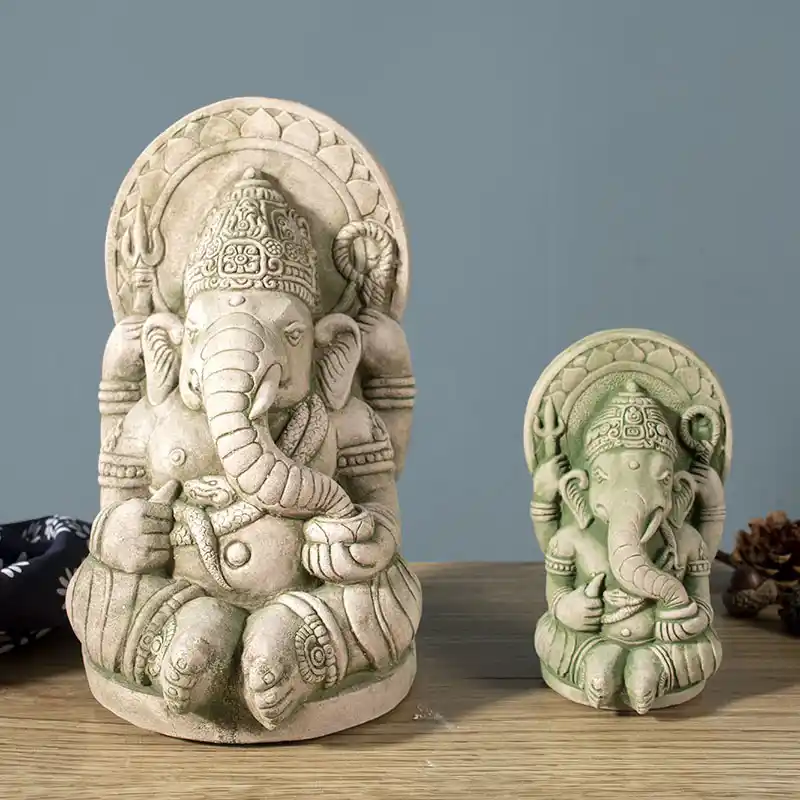
The Primordial Conflict: A Myth of Transformation
The most famous origin story of Ganesha is a profound symbolic narrative, not a literal history. It begins when the goddess Parvati, wishing for a loyal guardian, creates a son from her own divine essence. She tasks him with guarding her private chambers while she bathes, an order he takes with absolute devotion.
When her husband, Lord Shiva, returns and is barred from entry, a fateful conflict erupts. This clash represents the tension between individual will (Ganesha’s unwavering duty to his mother) and the cosmic order (Shiva’s supreme authority). In his divine fury, unaware this is his son, Shiva severs the boy’s head.
Parvati’s grief is immense, and to console her, Shiva sends his Ganas to bring the head of the first living creature they find, which happens to be an elephant. He attaches the elephant’s head to the boy’s body, breathing new life into him. This act is the core of Ganesha’s identity: a catastrophic event becomes a rebirth into a higher consciousness. This myth transforms him into the lord of new beginnings, symbolizing the power to overcome even the most final obstacles and find profound wisdom in transformation.
The Hidden Philosophy: Decoding the Iconography of Ganesha
Every aspect of Ganesha’s form is a deliberate symbol, a visual lesson in spiritual philosophy. To study his iconography is to learn the art of navigating life’s challenges with grace and wisdom. His very form is a guide to clearing the path to self-realization.
Buddhi & Siddhi: The Core Philosophy
At the heart of Ganesha’s symbolism are two fundamental concepts: ‘Buddhi’ (intellect, discernment, wisdom) and ‘Siddhi’ (spiritual power, accomplishment, perfection). He is the embodiment of the perfected intellect that can distinguish ‘Satya’ (ultimate truth) from ‘Mithya’ (illusion or relative reality). This discernment is considered the primary tool for overcoming the greatest obstacle of all: ignorance (Avidya).
Worshipping Ganesha is an invocation of these qualities within oneself. It is a prayer for the clarity to see the right path and the spiritual strength to walk it, ensuring that our efforts lead to true accomplishment rather than further entanglement.
The Elephant Head: An Anatomy of Enlightenment
Ganesha’s most striking feature, his elephant head, is a rich source of symbolic meaning. It is a visual representation of the ideal qualities of an enlightened being.
- 🐘 Large Head: This represents vast wisdom and a broad, open mind. It encourages us to think big, transcend limitations, and hold a cosmic perspective.
- 👂 Large Ears: Symbolizing the importance of ‘Shravana’ (listening), these teach us to absorb sacred knowledge and listen more than we speak. They also represent the ability to filter out negativity and retain only what is good and true.
- 👁️ Small, Sharp Eyes: These signify deep concentration and the ability to perceive subtle truths beyond the grasp of the ordinary senses. They represent a one-pointed focus on the ultimate goal.
- 🐘 The Trunk (Shunda): An elephant’s trunk is a marvel of efficiency and adaptability. It can uproot a massive tree or pick up a delicate needle. This symbolizes the ability of a wise person to navigate both the gross, material world and the subtle, spiritual realm with equal skill and discrimination.
The Sacred Trunk: Interpreting Vamukha vs. Dakshinamukhi Murti
The direction in which Ganesha’s trunk turns holds significant energetic meaning and is a critical detail when choosing a statue for your space.
Vamukha (Left-Turning Trunk): This is the most common form found in homes and workplaces. The left side is associated with the lunar energy channel (‘Ida Nadi’ in yogic terms), which is calming, feminine, and nurturing. A Vamukha Ganesha is believed to bestow worldly prosperity, peace, and domestic harmony, and is relatively easy to please with simple devotion.
Dakshinamukhi (Right-Turning Trunk): This form is more rare and powerful. The right side is associated with the solar energy channel (‘Pingala Nadi’), which is fiery, masculine, and intensely spiritual. These statues require precise, strict, and consistent rituals. They are believed to grant ‘Moksha’ (spiritual liberation) quickly and are thus more commonly found in temples than in homes.
The Single Tusk (Ekadanta): The Symbolism of Sacrifice and Non-Duality
Ganesha is often called ‘Ekadanta,’ meaning “one-tusked.” A Puranic legend explains that he broke off his tusk to use it as a pen to continue writing the epic Mahabharata as dictated by the sage Vyasa, when his reed pen broke. This act symbolizes that no sacrifice is too great in the pursuit of knowledge and fulfilling one’s duty.
Metaphysically, the single tusk represents the ability to transcend all forms of dualism—good and bad, pleasure and pain, hot and cold. It signifies a mind that remains unwavering and one-pointed, focused on the ultimate non-dual reality.
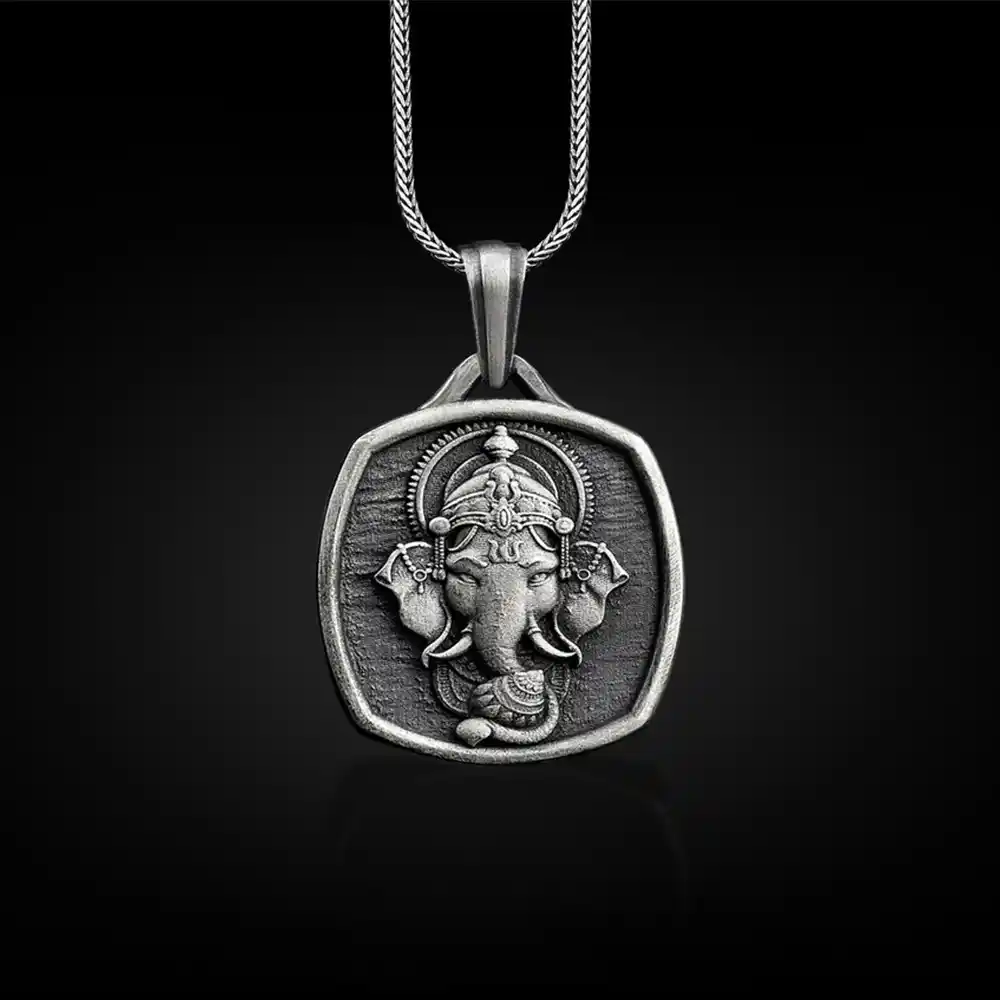
The Four Arms: Wielding the Tools of Spiritual Liberation
Ganesha is typically depicted with four arms, representing the four inner attributes of the subtle body: mind (Manas), intellect (Buddhi), ego (Ahamkara), and conditioned consciousness (Chitta). Each hand holds an object that is a tool for spiritual progress.
The Paradoxical Vahana: The Mouse and the Mastery of Desire
Ganesha’s vehicle, or ‘vahana,’ is a tiny mouse or rat named Mushika. This pairing is a profound paradox: the largest of animals being carried by one of the smallest. The mouse symbolizes the human ego, our base desires, and the restless, nibbling nature of the mind that can chew through discipline and good intentions if left unchecked.
Ganesha riding the mouse signifies the supreme power of divine intellect (Buddhi) to control and master even the most persistent and troublesome aspects of our nature. It teaches us that true power lies not in annihilating the ego, but in harnessing its energy and directing it with wisdom. It is a powerful message of self-mastery.
Cultural Evolution: How Ganesha is Viewed in East vs. West
As a symbol, Ganesha has traveled far beyond the borders of his native India, his form and meaning adapting to new cultural landscapes. This evolution demonstrates his universal appeal while also highlighting a shift in interpretation.
In Hinduism: The Prathama Pujya (First to be Worshipped)
Within his cultural origin of Vedic Hinduism, Ganesha holds an unshakeable position as ‘Prathama Pujya’—the one who is worshipped first. Before any major ceremony, ritual (puja), or new venture, an invocation to Ganesha is mandatory. Worshipping him first is believed to clear the path of all potential hindrances, ensuring the endeavor proceeds to a successful and auspicious conclusion. He is the divine gatekeeper; without his blessing, access to the other deities is considered blocked.
In Buddhism and Jainism: A Syncretic Figure
Ganesha’s influence extended into other Dharmic traditions. In certain schools of Buddhism, particularly in Tibetan and Japanese esoteric traditions, he appears as a remover of obstacles on the path to enlightenment. In Japan, a form known as Kangiten is revered as a bestower of blessings and wealth. Similarly, Jainism acknowledges Ganesha in its art and literature as a deity of auspiciousness, whose image is often placed at the entrance of temples to ensure sanctity and success.
In the West: From Spiritual Icon to Good Luck Charm
In the West, Ganesha is increasingly seen as a universal symbol of wisdom, spirituality, and good fortune, often separated from his deep Vedic philosophical roots. The rise of yoga and mindfulness has brought his image into studios and homes worldwide. His principles align with concepts like `Feng Shui elephant good luck`, which borrows from the Indian Vastu Shastra tradition of Ganesha as a protector of the home and a bringer of prosperity. This cultural translation often simplifies his profound role as a guide for inner transformation into an external symbol for material success.
Wearing the Talisman: Why Ganesha Jewelry Matters Today
In our modern lives, ancient symbols take on new relevance. Wearing a Ganesha talisman, such as a pendant or bracelet, is more than a fashion statement; it is a conscious act of invoking a powerful archetypal energy.
A Mindful Anchor for Modern Challenges
In a world defined by digital distraction and the constant pressure to achieve, a Ganesha amulet serves as a tangible, mindful anchor. It is a constant reminder of one’s own inner capacity to overcome adversity with wisdom and grace. During moments of stress, self-doubt, or procrastination, the symbol can be a focal point to reconnect with your intention and resolve.
Wearing it is a personal declaration: a commitment to approach challenges not with anxiety, but with ‘Buddhi’ (intellect) and ‘Siddhi’ (spiritual resolve). As you navigate your day, you can see GANESH & ELEPHANT picks for this year that serve as these powerful reminders.
Invoking the Energy of Auspicious Beginnings
Donning a Ganesha symbol is also a personal ritual for blessing a new venture. Whether launching a business, starting a creative project, or embarking on a new life chapter, it channels the potent energy of the ‘Lord of Beginnings.’ This act sets a conscious intention for a clear path forward, free from unnecessary impediments, and aligned with success.
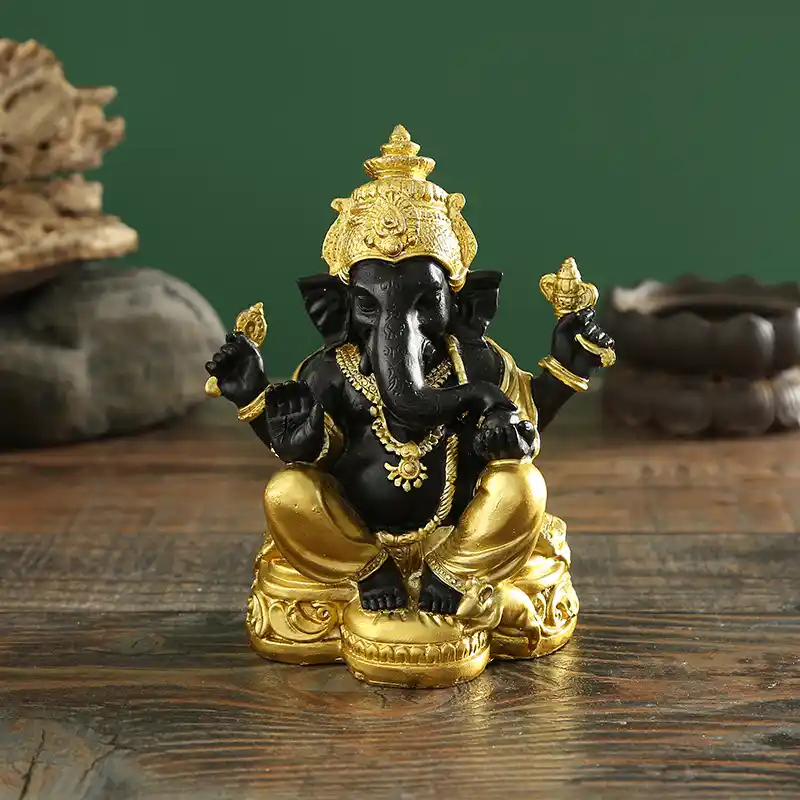
Ritual & Practice: How to Meditate with Ganesha
Connecting with Ganesha’s energy is not limited to external worship. Meditation and mantra are powerful practices for internalizing his qualities and clearing your own inner obstacles.
Visualization for Clearing Internal Obstacles
Find a quiet space and sit comfortably, focusing on your breath. Close your eyes and visualize the form of Ganesha in your mind’s eye. See his large, wise head filled with a soft, golden light and his calm, focused eyes radiating peace.
Mentally, gather your primary obstacles—procrastination, fear, confusion, self-doubt—and offer them to him. Visualize his axe (Ankusha) gently severing the energetic cords that bind you to these blockages. Then, see his rope (Pasha) pulling you away from these limitations and towards a state of clarity, focus, and purpose.
The Energetic Connection: Ganesha and the Muladhara (Root) Chakra
In yogic philosophy, Ganesha is the presiding deity of the Muladhara (Root) Chakra, located at the base of the spine. As described by sources like Yoga Journal, this chakra governs our sense of stability, security, and our fundamental connection to the material world. An imbalanced root chakra manifests as fear, anxiety, and financial instability.
Meditating on Ganesha helps to ground, stabilize, and balance this foundational energy center. By strengthening your root, you remove the deep-seated energetic causes of many of life’s most persistent obstacles, fostering a profound sense of security from within. This grounding energy is similar to the principles you can read about in our guide: The Spiritual Meaning of a Jade Bangle: Benefits, Placement & Care.
Chanting the Bija Mantra: Om Gam Ganapataye Namaha
Sound vibration is a powerful tool for energetic attunement. The primary mantra for Ganesha is “Om Gam Ganapataye Namaha.”
Its meaning is a salutation: “Salutations to the Lord of Ganas, the Remover of Obstacles.” Chanting this mantra, either aloud or silently, aligns your personal vibration with the frequency of Ganesha’s energy. It is a direct invocation of his qualities of wisdom, perseverance, and the power to clear the path ahead.
Cultural Etiquette & Taboos: Respectful Usage and Placement
Incorporating a Ganesha statue or ‘murti’ into your space should be done with reverence and an understanding of the cultural traditions that honor him. Vastu Shastra, the ancient Indian science of architecture, provides specific guidelines.
Vastu Shastra for Your Ganesha Murti
Ideal Placement: The North-East corner of the home is considered the most sacred and auspicious location for a Ganesha murti. The West and North directions are also highly favorable. For more location-specific advice, we invite you to explore this year related guides.
Critical Rule: The back of the statue should never face the main area of a room. It is believed that poverty resides behind Ganesha, so his back should always face an outer wall of the house, symbolically pushing poverty away.
Places to Avoid: Never place a Ganesha idol in a bedroom, bathroom, laundry room, or under a staircase. These areas are considered energetically impure and disrespectful to the deity.
Choosing a Posture: Sitting vs. Standing Ganesha
The posture of the Ganesha statue carries different energetic implications. Choose a posture that aligns with your intention for the space.
- 🧘♂️ Sitting Ganesha (Lalitasana): This posture represents a calm, meditative, and peaceful state. A sitting Ganesha is ideal for a home altar or puja room, as he brings a serene and stable energy into the domestic environment.
- 🧍♂️ Standing Ganesha (Abhanga): This dynamic posture represents energy, action, and a firm attitude. A standing Ganesha is more suitable for an office, studio, or place of business to promote success, activity, and righteous conduct.
Rules of Respect
To honor the sanctity of the symbol, follow these simple rules of etiquette. Always place the murti on a raised platform or a clean cloth, never directly on the floor. Maintain cleanliness around the idol at all times. Finally, tradition suggests that having an odd number of Ganesha idols in a home (e.g., one or three) is preferable for maintaining energetic balance.
Ritual Checklist: Integrating Ganesha’s Energy
Here are four actionable steps to connect with the Remover of Obstacles:
- 🕉️ Set a Clear Intention: Before placing your statue or wearing your amulet, hold it and state the specific obstacle (internal or external) you wish to overcome. Dedicate your practice to this intention.
- 🌸 Mindful Visualization: Each morning, spend one minute visualizing a golden light emanating from Ganesha, dissolving any anxieties or roadblocks you anticipate for the day ahead.
- 🧿 Daily Mantra: Chant “Om Gam Ganapataye Namaha” three times before starting a difficult task or a new project to clear the energetic path for success.
- ☸️ Practice Gratitude: At the end of the day, mentally thank Ganesha for any challenges you successfully navigated, acknowledging the wisdom gained from the experience.
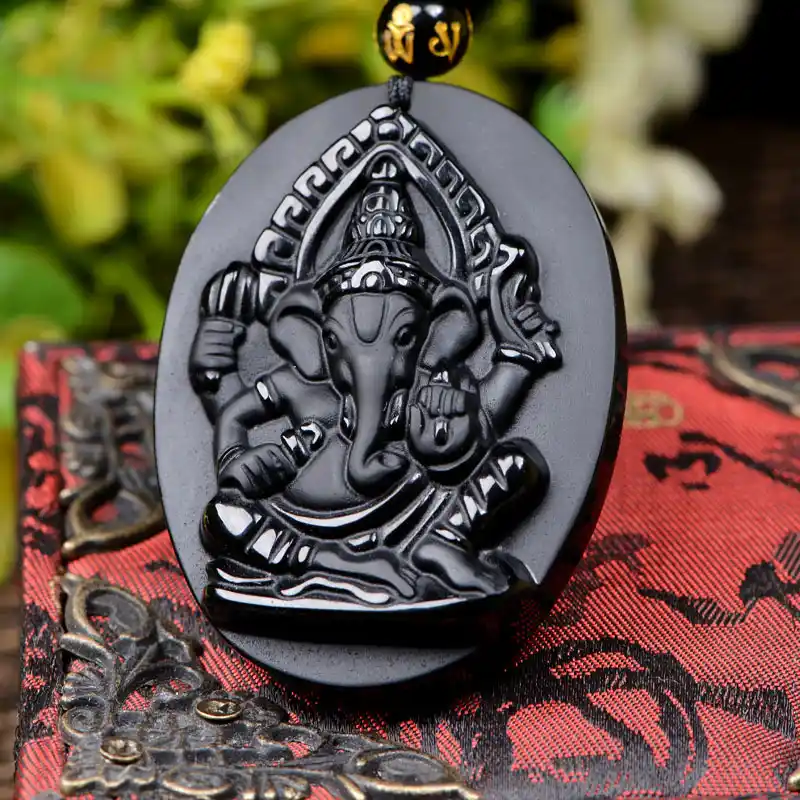
Frequently Asked Questions (FAQ)
What is the spiritual significance of a Ganesha statue with a left-turning versus a right-turning trunk?
A left-turning trunk (Vamukha) symbolizes the cool, calming energy of the moon (Ida Nadi) and is associated with worldly success, prosperity, and peace, making it ideal for home worship. A right-turning trunk (Dakshinamukhi) symbolizes the hot, powerful energy of the sun (Pingala Nadi) and is associated with spiritual liberation (Moksha), requiring stricter, more complex rituals and is usually found in temples.
Why is Ganesha worshipped before all other gods in Hindu rituals?
Ganesha is the ‘Vighnaharta,’ the designated remover of all potential obstacles. By honoring him first, devotees ensure that the path for the ceremony, new venture, or spiritual practice is cleared of any hindrances, allowing for a smooth and successful outcome. As per World History Encyclopedia, he is the divine gatekeeper who grants access to the spiritual realm.
What does the symbolism of Ganesha’s vehicle, the mouse, teach about desire and ego?
The mouse represents the restless, gnawing nature of the human mind, our base desires, and the ego. Ganesha, the embodiment of supreme wisdom, riding the mouse signifies the complete mastery of the intellect over these lower instincts. It teaches that true power comes not from destroying the ego, but from controlling and directing its energy with wisdom.
What is the energetic connection between Lord Ganesha and the Root (Muladhara) Chakra?
Lord Ganesha is the presiding deity of the Muladhara (Root) Chakra, which is our energetic foundation for stability, security, and physical well-being. Meditating on Ganesha helps to balance this chakra, dissolving deep-seated fears and anxieties, and establishing a profound sense of groundedness and inner security, which is the first step to overcoming any obstacle.
Beyond Hinduism, what is the meaning of Ganesha in Buddhist and Jain traditions?
In some Buddhist traditions, especially in Tibet and Japan (as Kangiten), Ganesha is revered as a Bodhisattva or a wealth-granting deity who removes obstacles on the path to enlightenment. In Jainism, he is acknowledged as a symbol of auspiciousness and wisdom, often invoked at the beginning of ceremonies and included in temple iconography to ensure a blessed outcome.
Conclusion: Integrating the Wisdom of Ganesha
Ultimately, Ganesha is more than a statue on an altar; he is a principle of consciousness available to every one of us. To understand his rich symbolism is to receive a divine roadmap for navigating the inevitable complexities of life. His myths and form are not just stories, but lessons in spiritual psychology.
He teaches us that every obstacle, whether external or internal, is an opportunity for profound transformation—a chance for a deeper wisdom to be born from our challenges. By integrating his teachings, we learn to become our own ‘Vighnaharta,’ the conscious remover of obstacles on our unique path to purpose.
Embrace the Lord of Beginnings. Clear the way for your highest potential to unfold, armed with the divine intellect to discern the path and the spiritual power to walk it. His blessings are not favors granted from outside, but strengths awakened from within.
Cultural Researchers & Feng Shui Practitioners. We have been exploring traditional year-based wisdom and spiritual symbolism since 2020.